
After water damage or a leak
If drywall, baseboards, or flooring got wet, mold can develop inside cavities where you cannot see it. Testing helps confirm whether the affected area is limited or broader.
Serving Austin, Texas & surrounding areas
If you smell something musty, see staining, or had a recent leak, a professional inspection can tell you what is present, where it is coming from, and what to do next.
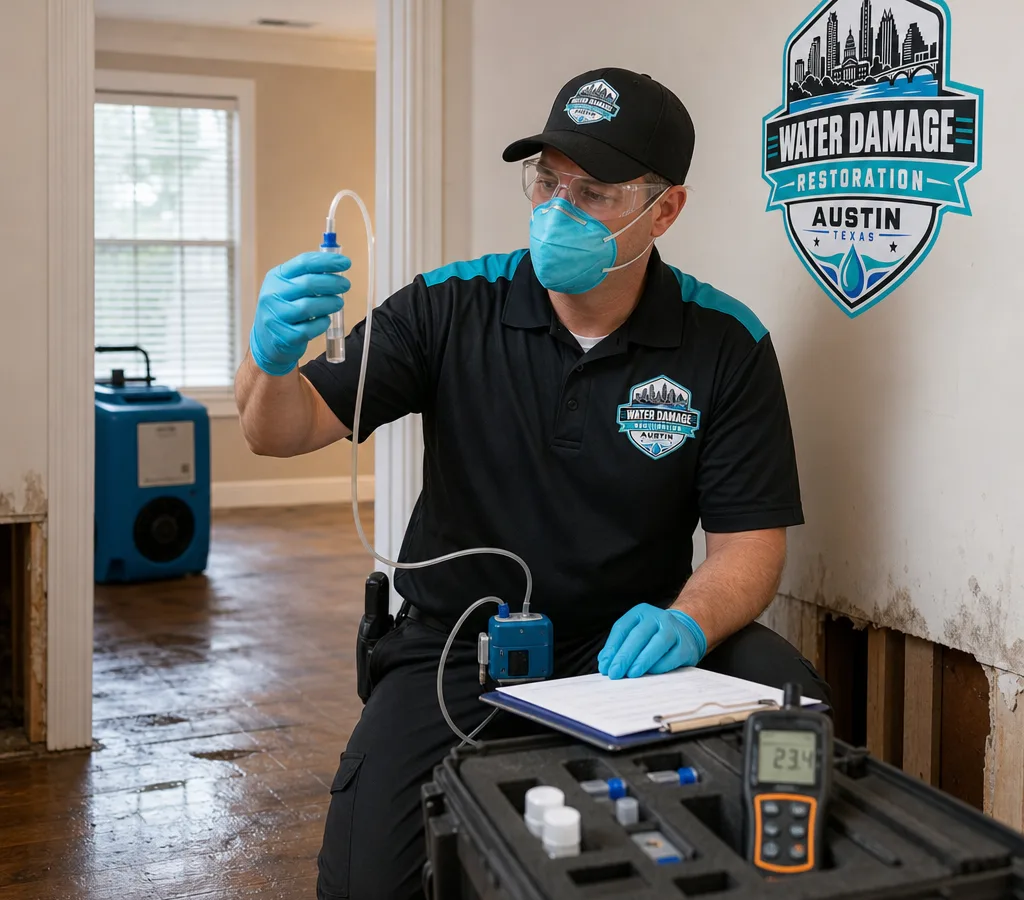
Mold concerns usually start the same way: a new odor after an AC issue, bubbling paint near a bathroom, or a ceiling spot that showed up after a storm. Mold testing in Austin is about turning those clues into a clear, written picture of what is happening in your home so you can make the right decision.
At Water Damage Restoration Austin, our mold inspection and sampling process focuses on two things: finding the moisture source that allows growth and documenting conditions with defensible methods so you can act confidently. Whether you are a homeowner, buyer, seller, or property manager, you should leave the inspection with straightforward results and practical next steps.
Many mold problems in Austin homes track back to indoor humidity control, plumbing leaks, roof leaks, and HVAC condensate or drain issues. Testing does not replace fixing the moisture problem. It tells you where to focus and what level of cleanup is appropriate.
A proper mold inspection starts with a walkthrough and targeted measurements, then uses sampling only where it adds clarity. The goal is to answer: Where is growth likely, what is the extent, and what is the indoor air quality picture compared to outdoors?
If the concern started after a leak, you may also need a plan for drying and prevention. Our team handles inspection along with moisture-related water damage restoration work in Austin.
If drywall, baseboards, or flooring got wet, mold can develop inside cavities where you cannot see it. Testing helps confirm whether the affected area is limited or broader.
Odors often point to hidden moisture in a wall, under flooring, or near an air handler closet. Inspection narrows down where to open up and what to repair.
Buyers and sellers use mold reports to document conditions and support repair decisions. Clear photos, sampling locations, and lab findings matter more than vague statements.
Caulk and grout issues, slow plumbing leaks, and frequent humidity can create repeat problems. Testing helps distinguish surface growth from a moisture issue behind the finish.
Clogged condensate drains and wet overflow pans can affect nearby drywall and closets. Sampling can verify whether the issue is isolated or influencing indoor air.
We ask where you have noticed odor, staining, or past leaks and whether anyone has sensitivity concerns. If there has been a recent water event, timing matters because active drying can change results.
We inspect the suspected areas and take moisture readings on nearby materials to find patterns. We also note building ventilation and conditions that can affect humidity inside the home.
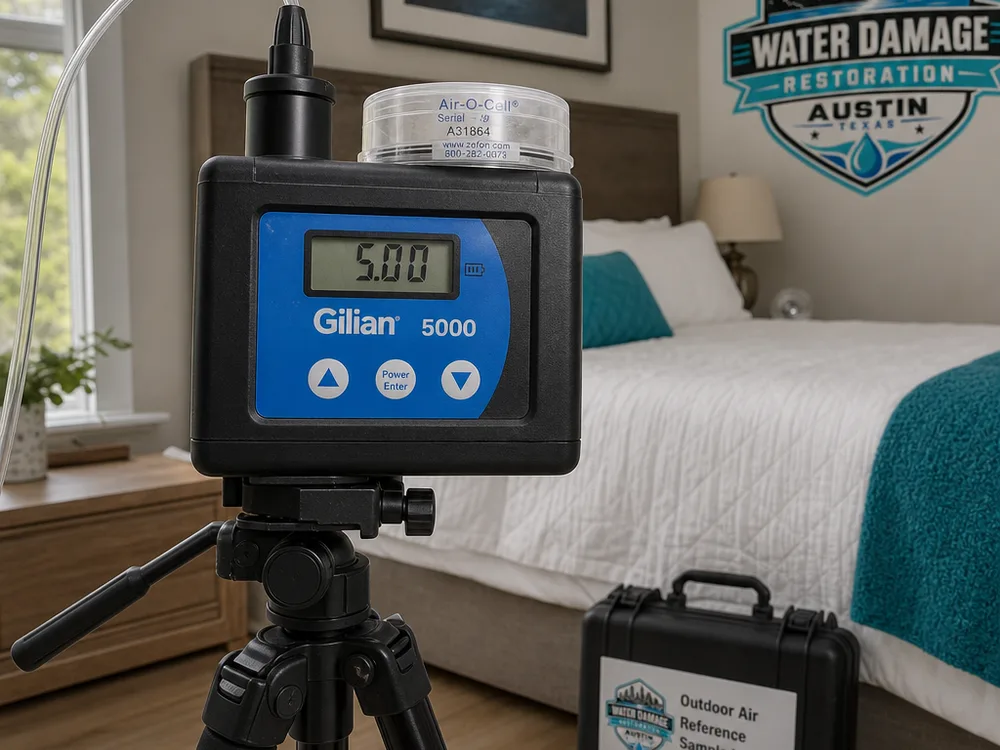
We choose sampling locations based on observed conditions, not a one-size-fits-all number. Air samples are interpreted against an outdoor control, and representative surface samples are taken when appropriate.
Samples go to a laboratory for analysis. Your report documents inspection notes, where samples were taken, and the lab findings in plain language.
You receive practical recommendations for correcting the moisture source, selecting an appropriate cleanup method, and determining whether containment or professional remediation is warranted.
Mold testing in Austin typically ranges from about $300 to $900+, depending on the size of the home, how many areas are of concern, and the number and type of samples collected. A small, targeted inspection with one to two indoor air samples and an outdoor control sample often falls at the lower end, while larger homes or situations with multiple suspected areas and surface samples trend higher.
Final pricing changes with access, including attics, tight closets, and high ceilings; whether there was recent water intrusion; and how much documentation is needed for a real estate transaction. The exact cost is confirmed after the on-site inspection and the sampling plan is agreed.
Austin homes vary widely, and that changes how we inspect and where we look first.
In older neighborhoods like Hyde Park, we often see additions, remodeled bathrooms, and older plumbing lines. That mix can create leak histories that are not obvious from the outside, so careful moisture mapping around wet walls matters.
In South Austin, many homes have a combination of slab foundations and interior HVAC closets. When condensate issues happen, moisture can affect adjacent drywall and flooring before anyone notices.
In Mueller, newer construction and tighter building envelopes can improve comfort, but they also make ventilation and dehumidification habits more important. An inspection in a tighter home pays extra attention to indoor humidity patterns and areas with poor air circulation.
In Downtown condos, shared walls, stacked plumbing, and intermittent occupancy can complicate the story. Testing often needs to focus on specific units and documented conditions rather than general assumptions.
Across the Austin area, intense rain events and occasional freezes can lead to sudden water intrusions. If the concern follows a known water event, we focus on wet building materials first, then use sampling to confirm whether growth is present beyond visibly affected surfaces.
Request Emergency Service“We had a musty smell in one bedroom and could not figure out where it was coming from. The inspection found elevated moisture along an exterior wall and the report made it clear what needed to be opened up and fixed.”
“We were under a tight real estate timeline. Scheduling was quick, and the results were written in plain language with sampling locations and photos, which helped us negotiate repairs.”
Scheduling depends on current demand, but we prioritize time-sensitive situations like active leaks, recent water damage, and real estate deadlines. Share your address area, the suspected rooms, and whether the water event is ongoing so we can triage appropriately.
If there is visible growth, you may not need testing to confirm it is mold, but testing can still be useful to document the type of growth and help define the cleanup scope. The more important step is finding and correcting the moisture source so the problem does not return.
Air sampling measures airborne spores at the time of testing and is interpreted by comparing indoor samples to an outdoor control sample, while surface sampling identifies what is on a specific material you swab or tape. The best choice depends on whether the concern is air quality, visible growth, or both.
Keep the home in normal living conditions unless we tell you otherwise, because unusual changes can skew results. Avoid heavy cleaning, running ozone devices, or making major filter changes right before sampling; those steps can temporarily reduce airborne particles without addressing moisture.
Testing can support that decision, but moisture readings and building conditions usually drive it first. When moisture is elevated and the history fits a leak, opening a small, controlled inspection point can be the most direct way to confirm what is behind the material.
Yes. If the inspection indicates wet building materials or a recent leak, we can recommend immediate drying and repairs so conditions do not worsen. When appropriate, we also coordinate next steps so you are not left with a report and no plan.
Tell us what you are seeing or smelling and where it started. We will schedule an inspection, document findings clearly, and explain the next steps to protect the home.